Ita Bag Cleaning and Maintenance Guide
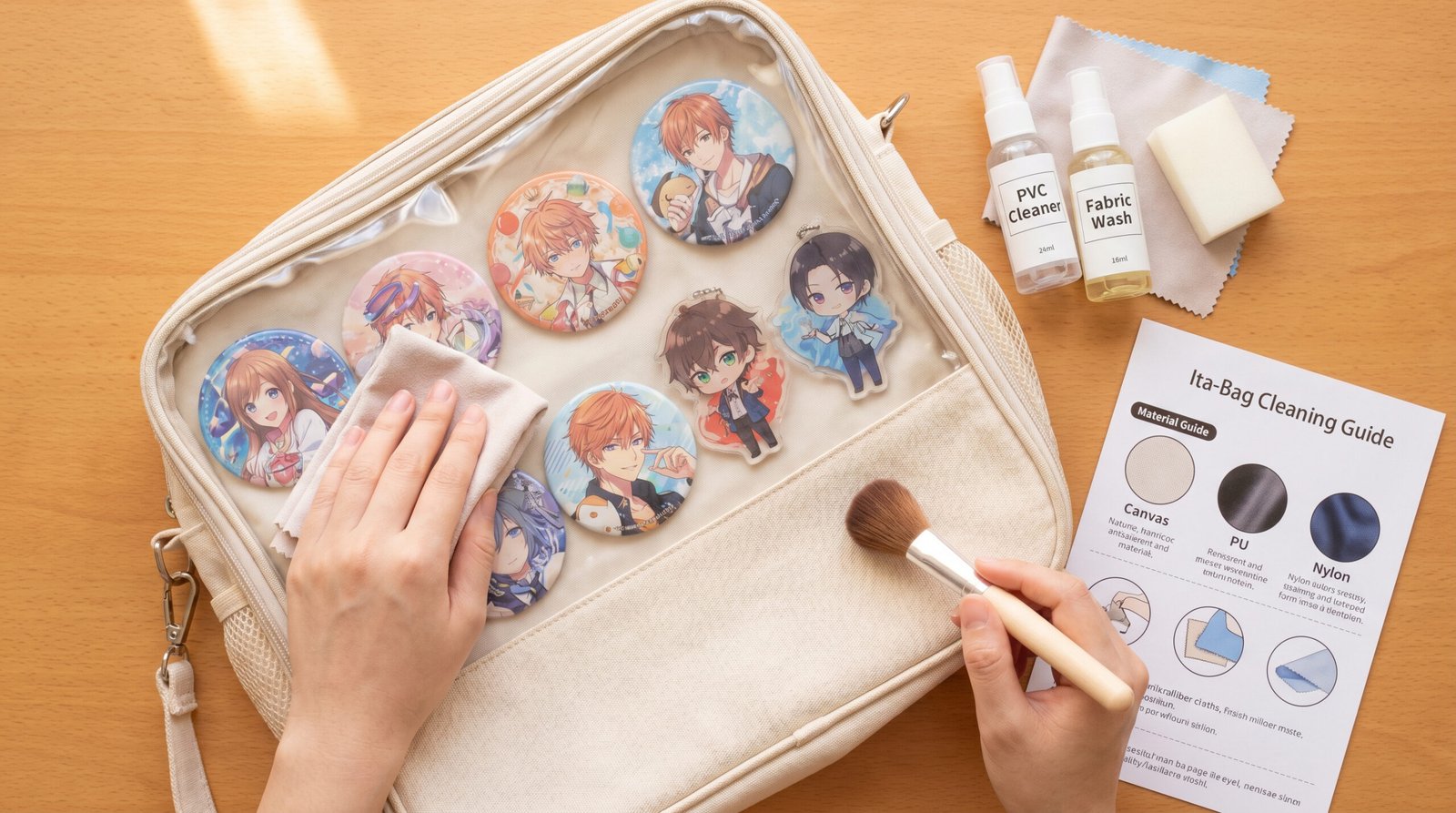
Table of Contents
1. Introduction
- The special structure of ita bags
- Why cleaning an ita bag requires more care than a regular bag
- The purpose of this guide: to provide a systematic approach to cleaning, maintenance, and repair
If you are a seasoned ita bag enthusiast, you will surely relate: every carefully arranged badge and every shining can badge carries deep love for your favorite character. However, as the bag is used in daily life over time, ita bags inevitably accumulate dust, stains, and even odors. At this point, the question of “how to clean an ita bag”becomes a challenge that every owner must face.
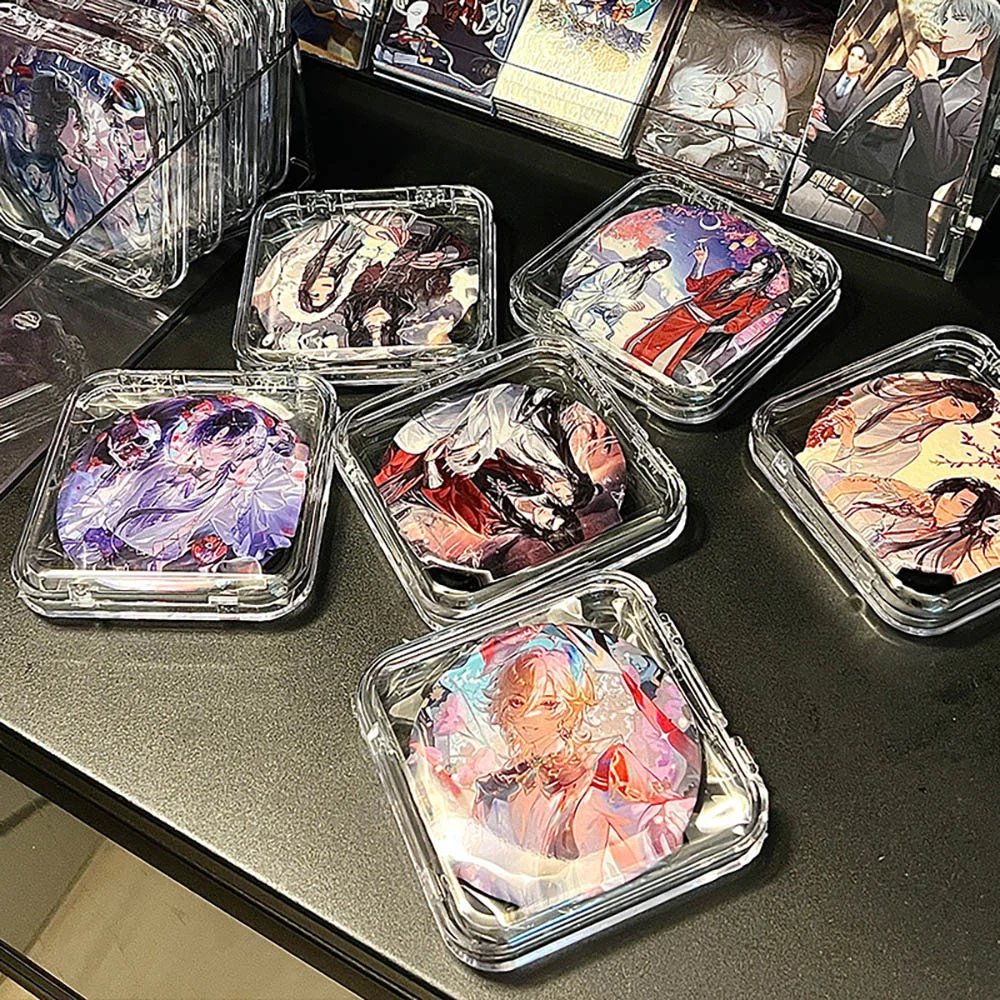
An ita bag is mainly composed of the bag body and a transparent display window. The window is the most iconic design element of an ita bag, usually made of transparent PVC material, used to showcase the merchandise inside. This “bag body + PVC transparent window” dual-layer structure is exactly what makes ita bags more complicated to clean than ordinary bags—since the materials of the bag body and the window are completely different, they require different cleaning methods.
Therefore, this guide will focus on the three most common ita bag body materials—canvas, PU, and nylon—as well as the transparent PVC window, and provide dedicated cleaning methods and maintenance instructions for each, helping your bag and your collectibles stay in their best condition for a long time.
2.Preparations Before Cleaning
Step 1: Remove all accessories and contents. After emptying the bag, make sure to turn it upside down and gently shake it to remove any sand and dirt, preventing sand from coming into contact with the PVC window during cleaning and scratching the window.
Step 2: Check the ita bag’s material label,Confirm the material of the bag body as well as the official recommended washing methods and precautions. Be sure to carefully follow the official instructions before cleaning, and use this guide as a reference.
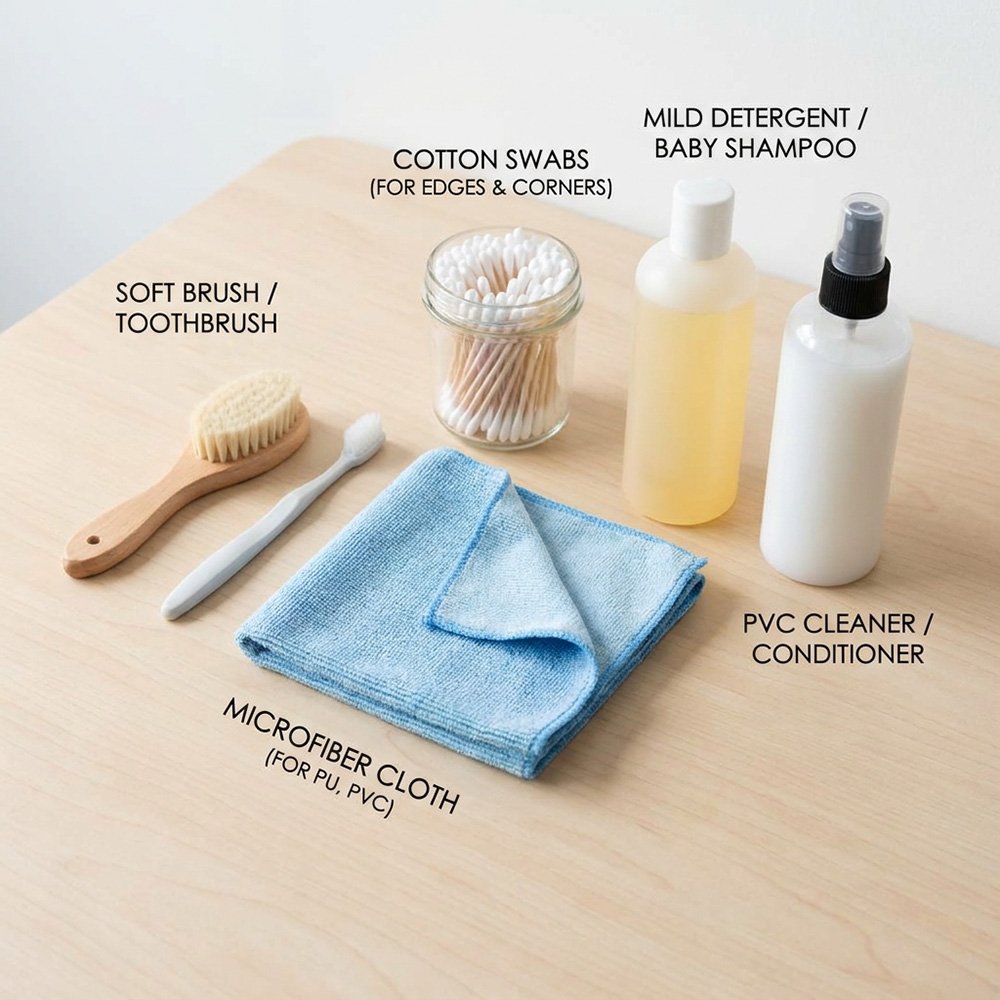
Step 3: Prepare cleaning tools,Preparing the right tools in advance based on different ita bag materials will make the cleaning process much easier and more efficient.
- Soft-bristle brush / soft toothbrush (for cleaning canvas textures)
- Microfiber soft cloth / eyeglass cloth (for wiping PU and PVC surfaces)
- Cotton swabs (for cleaning corners and hard-to-reach gaps)
- Neutral detergent / baby shampoo
- PVC-specific cleaner or care solution (for the display window)
- Cold water or room-temperature clean water
Step 4: Spot test for stains
Before full cleaning, it is recommended to test a small amount of cleaning solution on an inconspicuous area, such as the inner side or bottom corner of the bag. Gently wipe and let it sit for 1–2 minutes, then check for any discoloration, deformation, or abnormal reactions. Only proceed with full cleaning if it is safe. This step is especially important for dark-colored or specially treated fabrics.
3.Bag Body Material Cleaning Guide
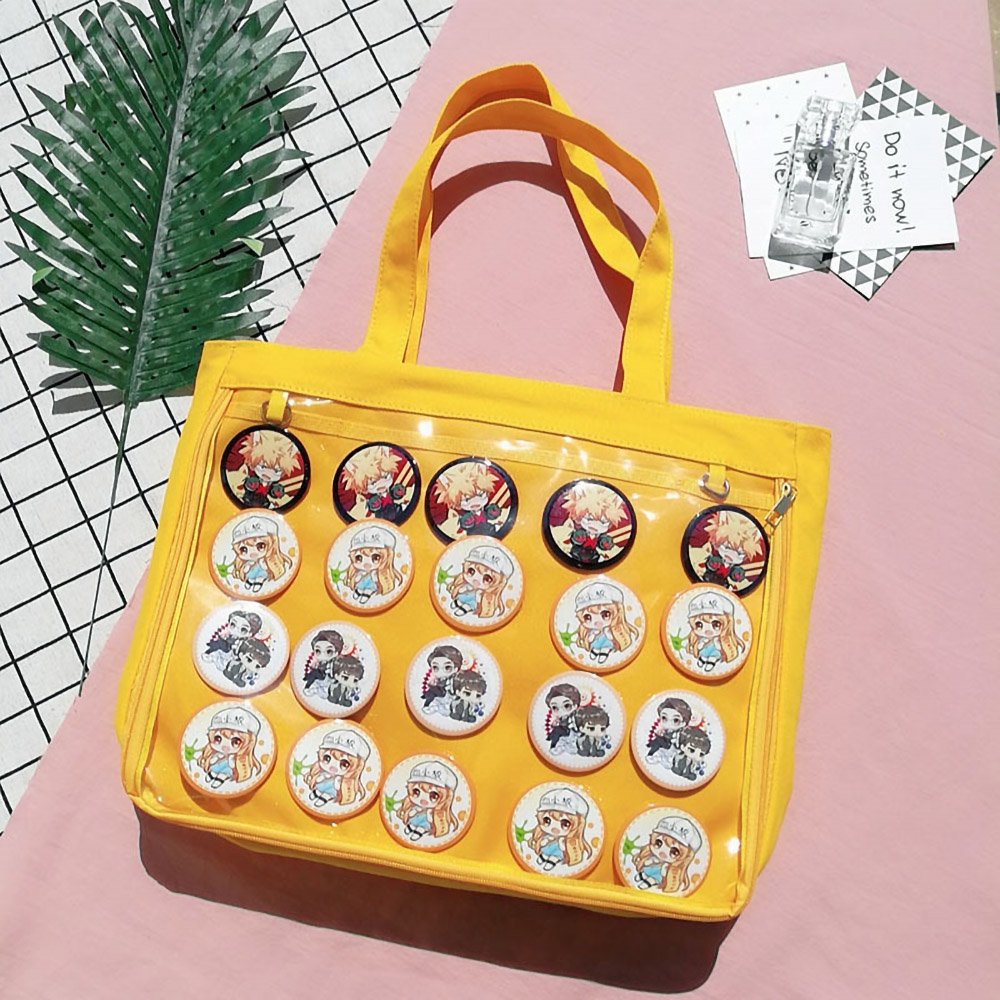
1. Canvas Ita Bags
Cleaning method:
For general surface dust and light stains, full washing is not necessary. Use a soft-bristle brush with a small amount of neutral detergent to gently clean the affected area, then wipe with a damp cloth and let it air dry in the shade.
When the overall dirt is more noticeable, hand washing with cold or lukewarm water is recommended. Add a small amount of neutral detergent to the water, and gently brush the surface with a soft brush. Focus on frequently touched areas and deeper stains. After cleaning, rinse thoroughly with clean water to ensure no detergent residue remains.
After washing, do not wring the bag forcefully or machine dry it. Instead, gently press it with a dry towel to absorb excess water, then hang it in a cool, well-ventilated place to air dry naturally. Avoid direct sunlight to prevent fading.
Maintenance:
The key to maintaining a canvas ita bag is moisture prevention, shape retention, and localized cleaning. Machine washing, dry cleaning, and bleaching are strictly prohibited, as they may damage the material and the bag’s structure.
2. PU Ita Bags
Cleaning method:
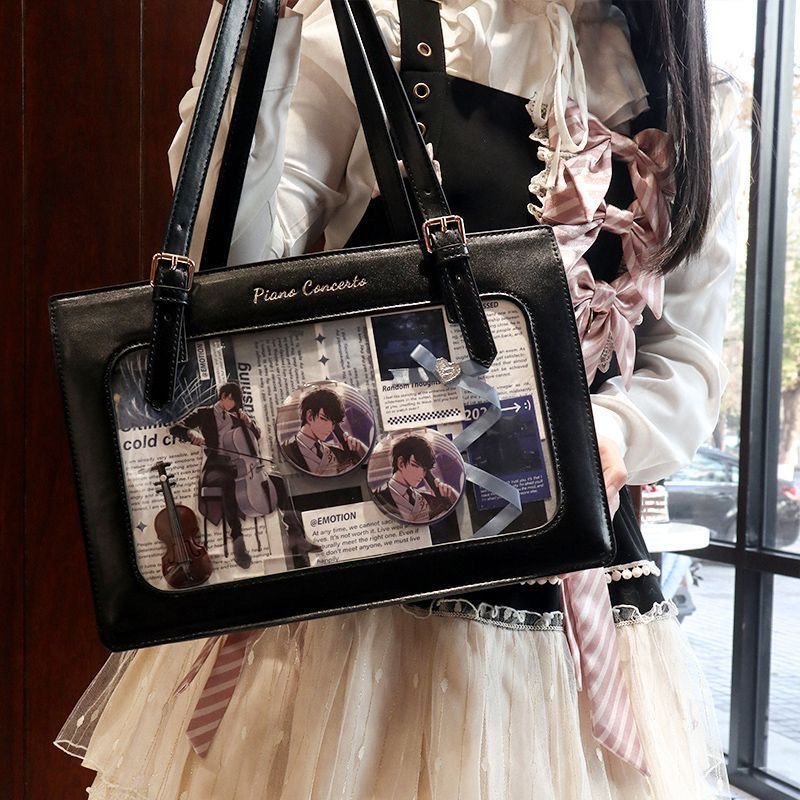
PU cleaning should follow the principle of “dry wiping as the main method; avoid water washing.” For general dust and light stains, simply wipe gently with a slightly damp microfiber cloth. Be careful to control the moisture level of the cloth and avoid excessive wetness.
For more stubborn stains, apply a very small amount of neutral detergent onto the cloth and gently wipe the stained area slowly. Avoid applying strong force, as this may damage the coating. After cleaning, immediately wipe off any detergent residue with another slightly damp cloth, then use a dry cloth to gently press and absorb remaining moisture.
Maintenance:
The key to maintaining PU ita bags is protection from moisture, sunlight, and scratches. Avoid washing with water or exposing the bag to alcohol, bleach (e.g., sodium hypochlorite disinfectants), or other volatile solutions, as they may cause irreversible damage. After cleaning and complete drying, a small amount of PU-specific care lotion or leather conditioner can be applied to slow down surface aging and cracking. When storing, avoid placing the bag with other items and keep it in a well-ventilated area away from direct sunlight.
3. Nylon Ita Bags
Cleaning method:
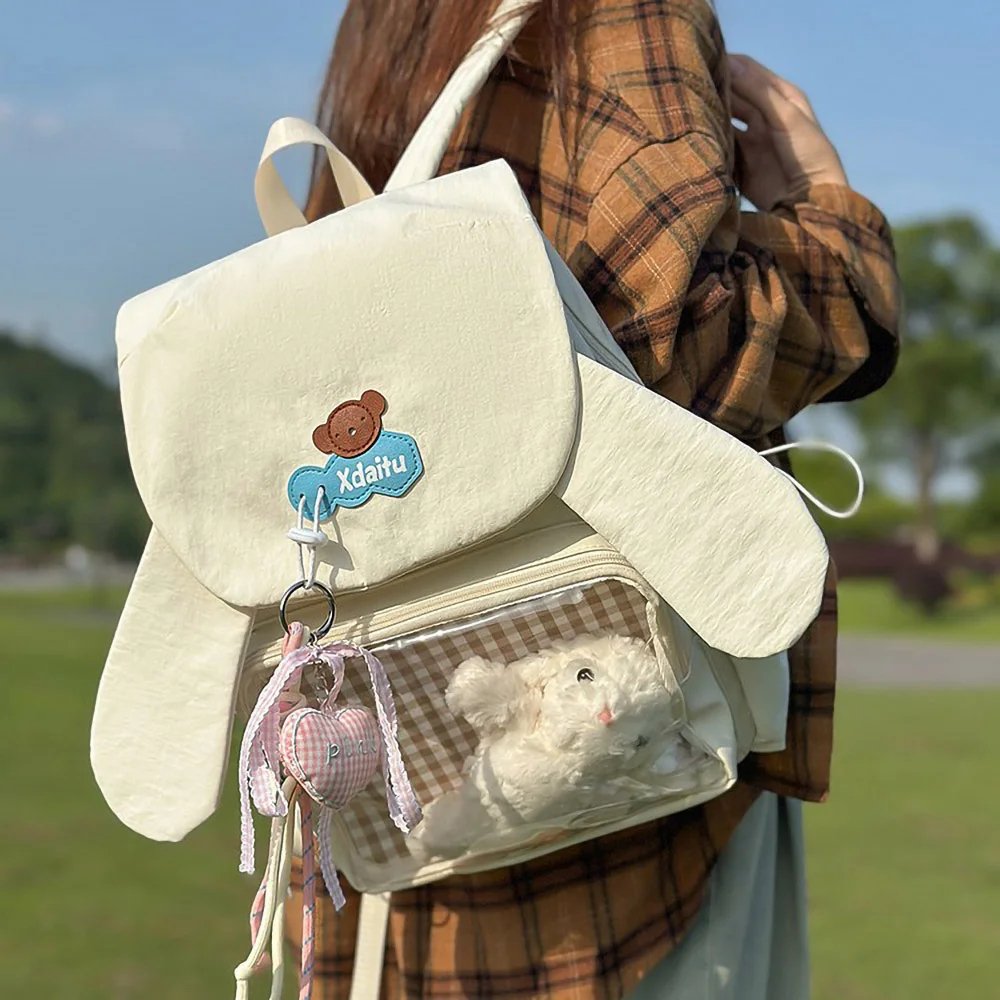
Cleaning nylon is relatively simple. For general dust and light stains, wiping with a damp soft cloth is usually sufficient. For more severe stains, both hand washing and machine washing can be used.
For hand washing, add neutral detergent to cold or lukewarm water, and gently scrub the stained area with a soft cloth or soft brush.
If machine washing is required (machine washing is not recommended for some coated versions), remove all detachable straps and metal accessories first. Turn the bag inside out and place it in a properly sized laundry bag before washing. Set the washing machine to a gentle cycle and use cold or lukewarm water. Avoid hot water, as it may deform the fabric.
After washing, do not wring the bag forcefully. Simply remove excess water, then hang it in a cool, well-ventilated place to air dry naturally. Do not use a dryer or expose it to direct sunlight.
Maintenance:
The key to maintaining nylon ita bags is protection from sunlight, moisture, deformation, and timely cleaning without over-washing.
4.PVC Transparent Window Cleaning Guide
The display window is the core showcase area of an ita bag and also the most delicate part that requires careful maintenance. The most commonly used material for ita bag windows on the market today is PVC. It dominates most of the market due to its lightweight nature, ease of cutting and shaping, low cost, and high transparency. However, it also has several drawbacks—it is easily scratched, prone to corrosion, and susceptible to aging. Therefore, proper cleaning and maintenance are essential to preserve its display quality.
For daily cleaning, the PVC window can be gently wiped with a microfiber cloth or eyeglass cloth dampened with a small amount of clean water. This is usually enough to restore its clarity.
For light stains or oil marks, simply apply a very small amount of neutral detergent onto the cloth and gently wipe in circular motions. Then, wipe off the detergent with another clean damp cloth and allow it to air dry.
For stubborn stains, a diluted white vinegar solution (mixed in a 1:10 ratio of vinegar to water) can be used. Gently wipe the surface with a soft cloth, or alternatively, a dedicated PVC cleaner may be used. For dust accumulated in corners and seams, cotton swabs dipped in water can be used for careful cleaning.
Maintenance method: After cleaning and drying, a thin layer of PVC-specific care solution can be applied to the surface. Spread it evenly with a soft cloth. This forms a protective layer that not only enhances gloss and improves transparency but also slows down PVC oxidation and aging, delaying yellowing.
Precautions for the window: Avoid using high-concentration alcohol for wiping, avoid prolonged exposure to direct sunlight, do not let it rub against sharp objects, and clean regularly to maintain its clarity and shine.
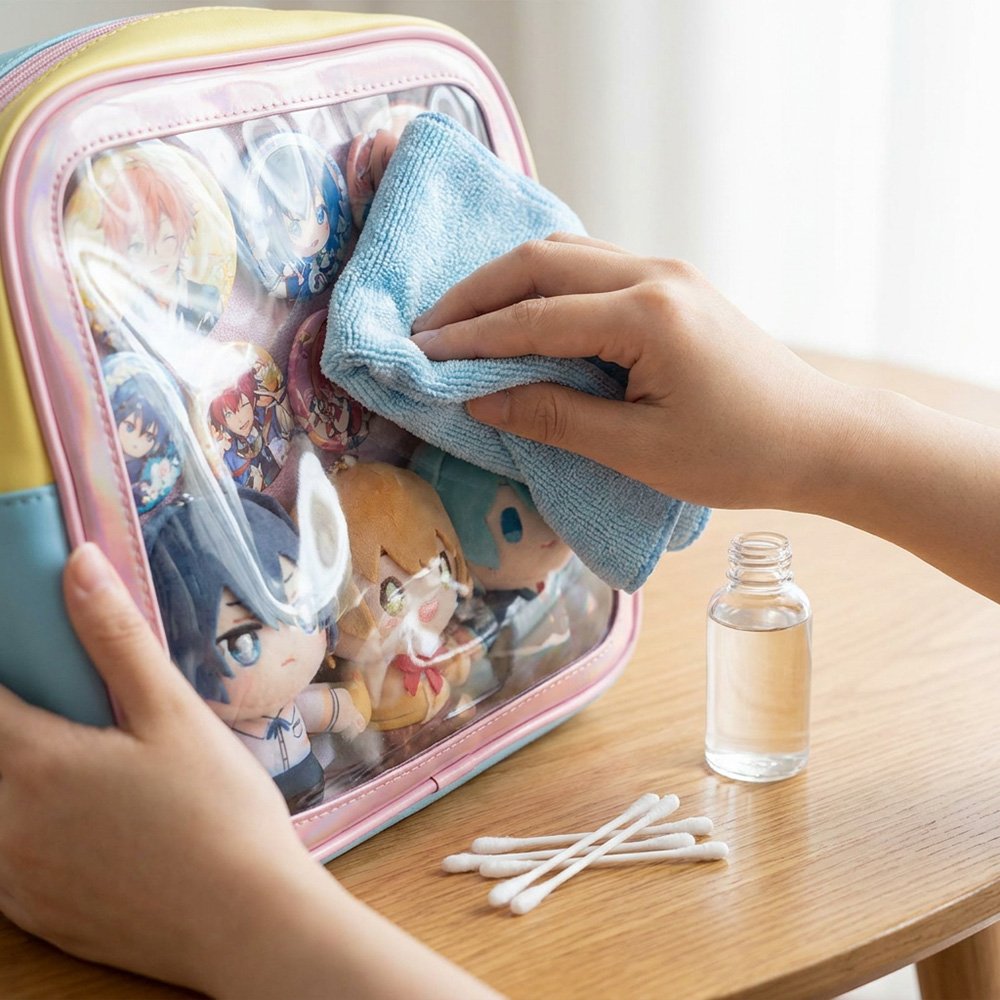
5.Common Real Issues and Repair Methods for PVC Transparent Windows
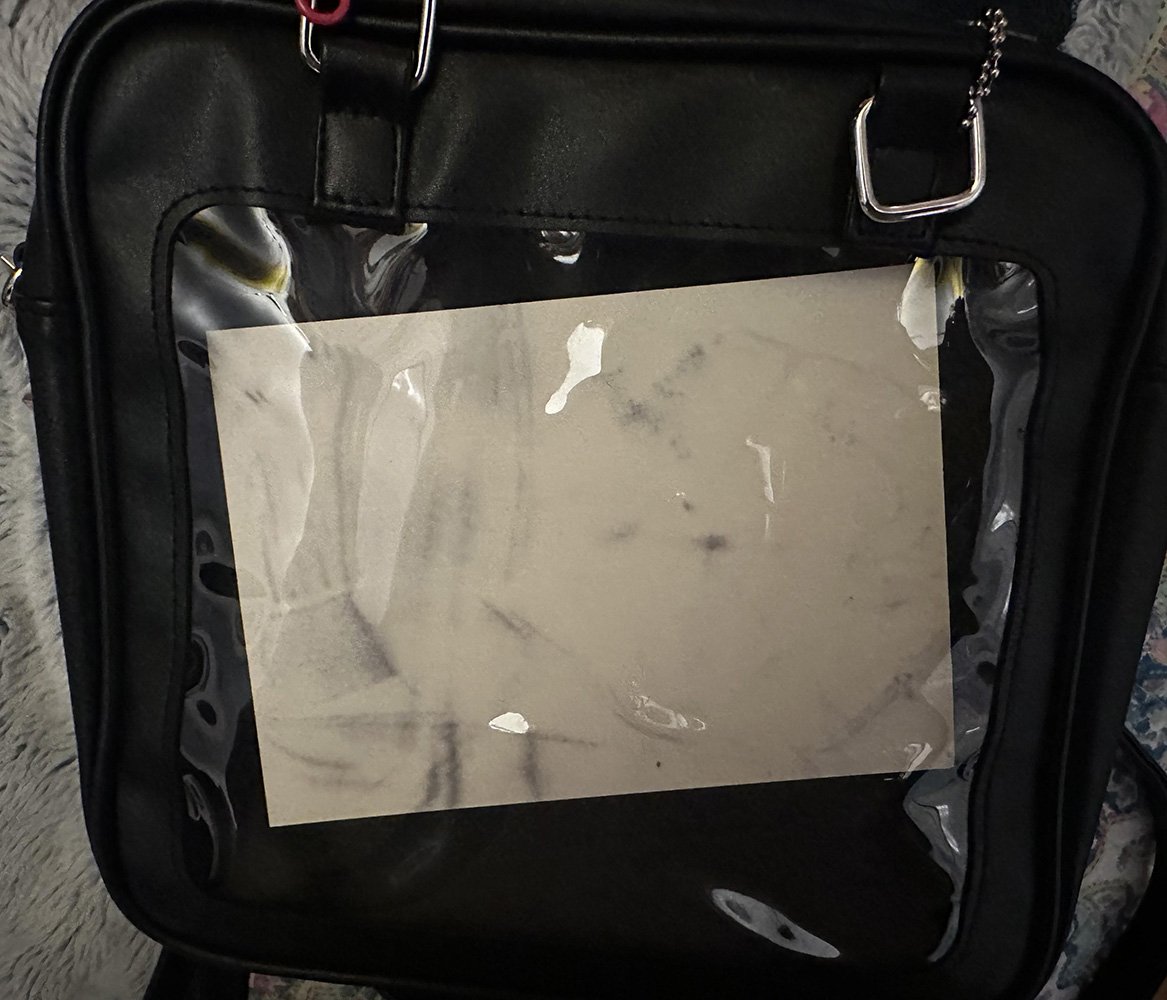
Problem 1: Yellowing or discoloration of the window
Cause: Long-term exposure to UV light, high-temperature environments accelerating oxidation, and natural material aging.
Repair method:For slight yellowing, apply a small amount of a dedicated PVC restoration agent and gently wipe. If the yellowing is more noticeable, use a 3% diluted hydrogen peroxide solution to gently wipe the surface, then clean with water. Finally, apply PVC care solution multiple times. If severe yellowing appears at the edges, replacement of the window is recommended.
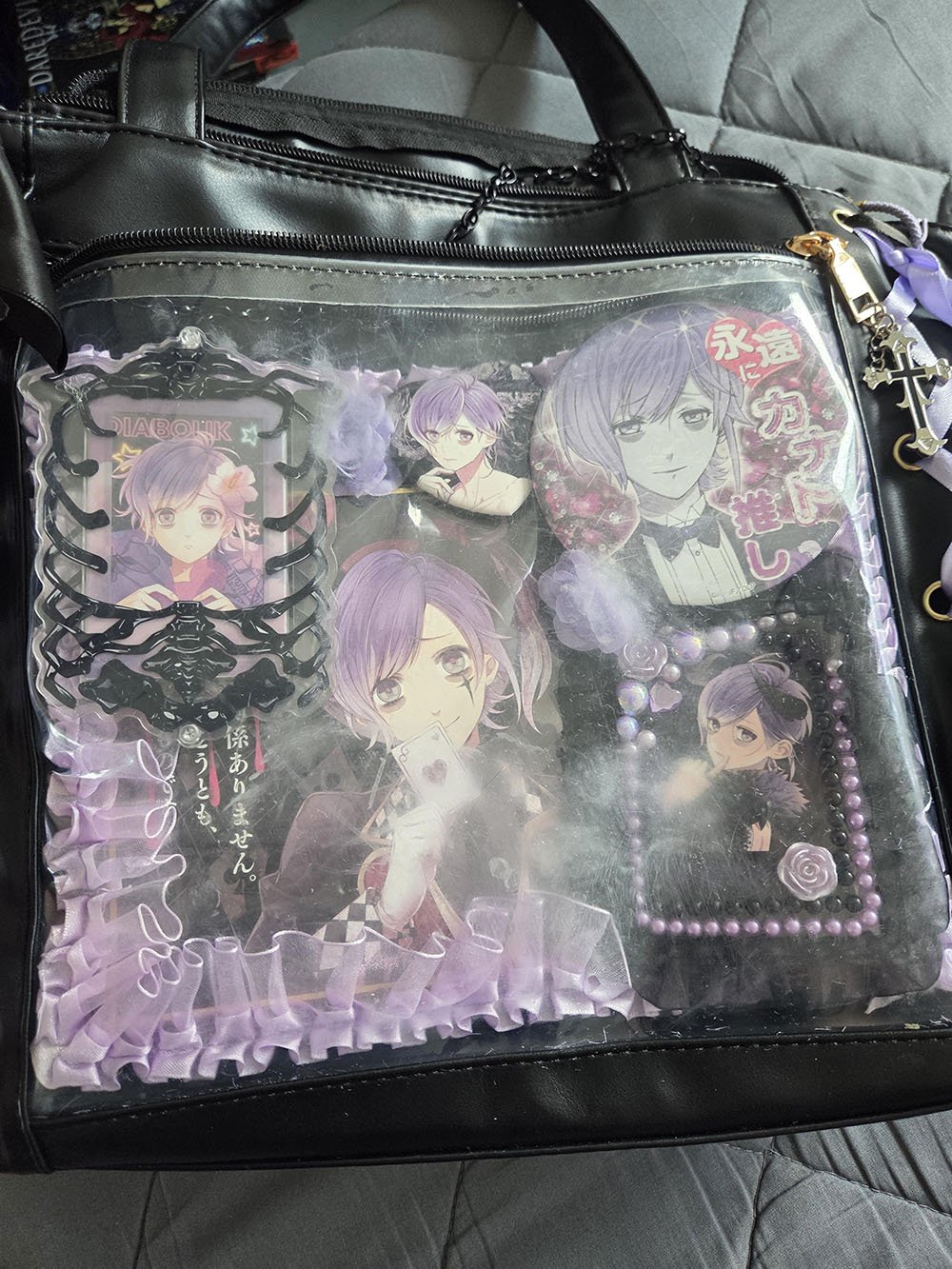
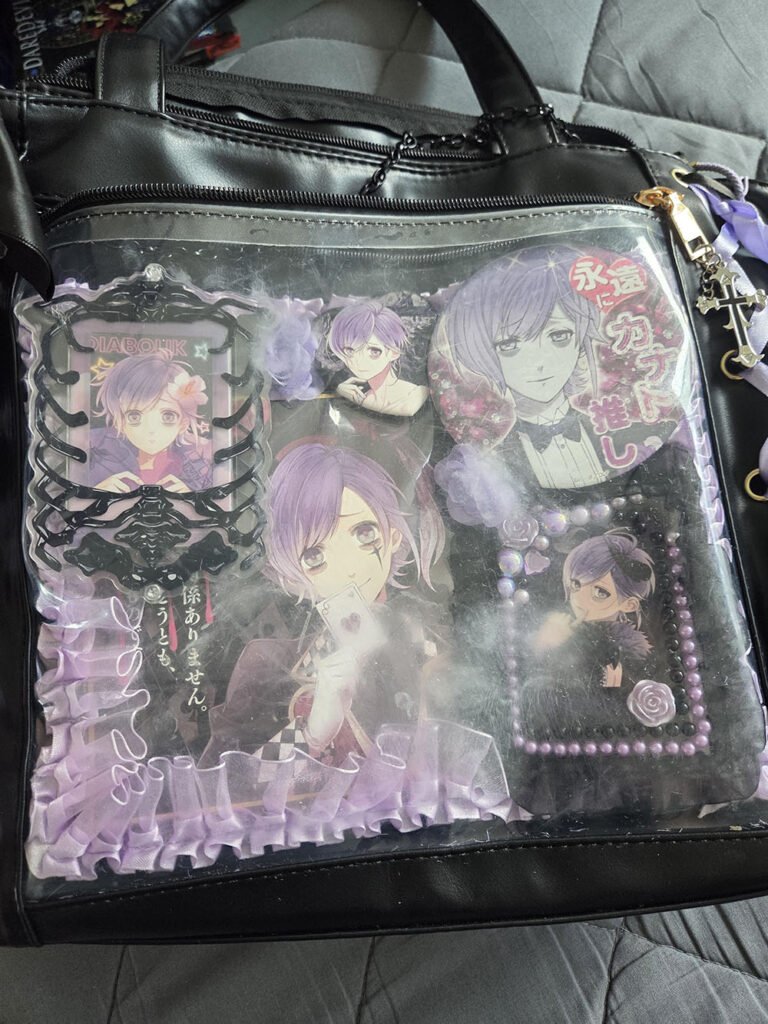
Problem 2: Scratches on the window
Cause: Scratches caused by sharp objects such as badges or charms, or excessive force during cleaning.
Repair method:For minor and barely visible scratches, use a microfiber cloth with a small amount of non-granular toothpaste and gently polish the surface. For more noticeable scratches, first use a hairdryer on a low heat setting to slightly soften the PVC window, then perform light polishing. If the scratches are deep, replacement of the window is recommended.
Problem 3: Cracking or damage at the edges
Cause: Long-term repeated bending, becoming brittle in low temperatures, or repeated piercing by pins in the same area.
Repair method:For small cracks, apply a small amount of transparent PVC adhesive to the crack, press and hold with fingers, and let it sit for 20 minutes to bond. If there is a hole, cut a PVC patch of the same size, glue it in place with PVC adhesive, press firmly along the edges, and let it dry. For large-scale damage, full replacement is recommended.
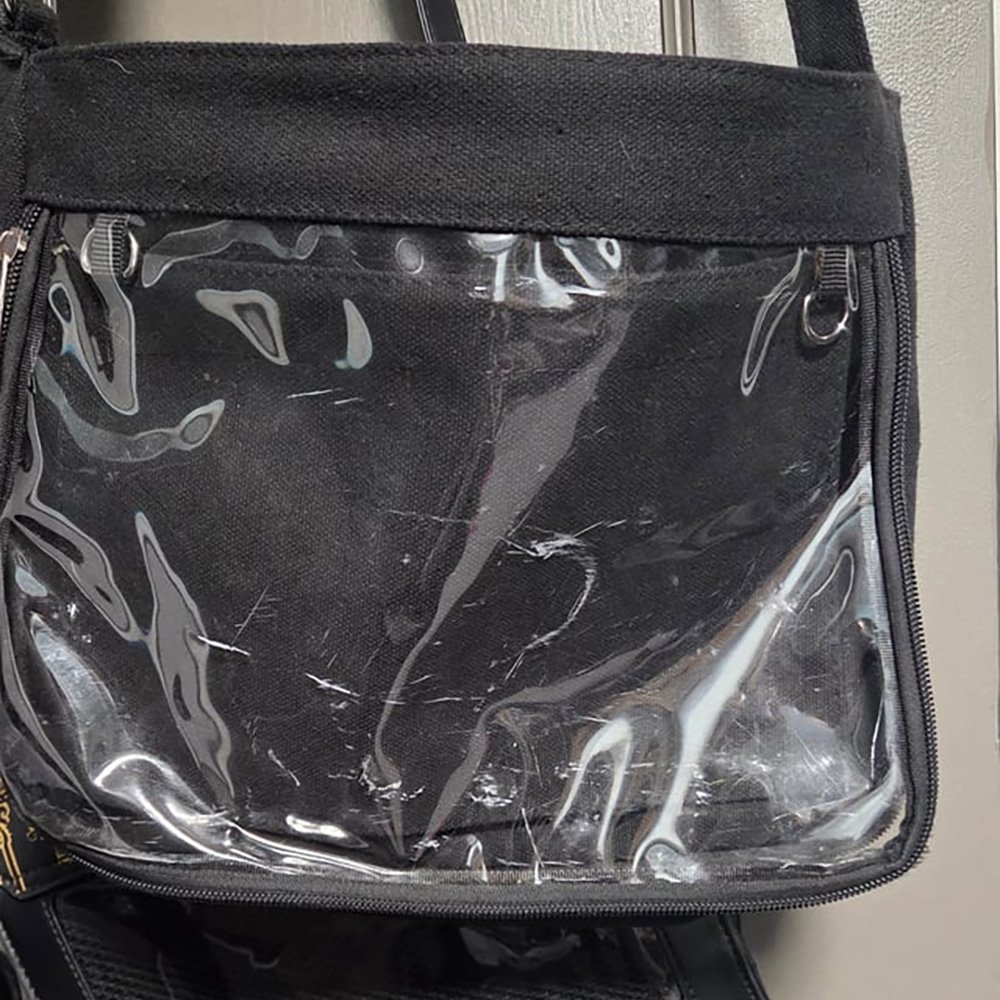
In addition to the above issues, other problems may also occur. For a more intuitive understanding of how to handle them, you can watch our video.
6.Conclusion
A beloved ita bag is not only a container for displaying merchandise, but also a special item that carries your passion and affection for your favorite characters. Cleaning and maintaining your ita bag is essentially a way of cherishing this love.
By mastering the correct cleaning methods, you can ensure that your ita bag and your favorite collectibles last for a much longer time together.
We hope this cleaning guide has been helpful to you! What material is your ita bag made of? What mistakes have you made during cleaning? Feel free to share your experience in the comments and help other ita bag lovers avoid common pitfalls!
FAQ
- Can an ita bag be put directly into a washing machine?
Generally, it is not recommended. Especially for ita bags with PVC transparent windows, PU leather, or a large number of metal accessories, machine washing can easily cause deformation, scratches, cracking, or accelerated aging. Only some nylon ita bags can be gently machine washed in a laundry bag, and only when the care label clearly allows it.
- Why must all badges and accessories be removed before cleaning an ita bag?
Because sharp items such as badges, can badges (ba-ji), and acrylic charms may scratch the PVC window during cleaning. In addition, dust and sand particles inside the bag can also rub against the transparent window and cause fine scratches.
- Can a yellowed ita bag window be restored?
Slight yellowing can sometimes be treated with a PVC restoration agent or diluted hydrogen peroxide solution. However, if the oxidation and yellowing are severe, the window usually needs to be replaced.
- What should I do if my ita bag gets moldy?
For mild mold, gently wipe with diluted white vinegar or a neutral detergent, then let it air dry in a well-ventilated area. Afterward, pay attention to moisture prevention during storage to avoid mold from forming again.