The Origins and Development of Ita Bags: From Early Beginnings to Global Popularity

Table of Contents
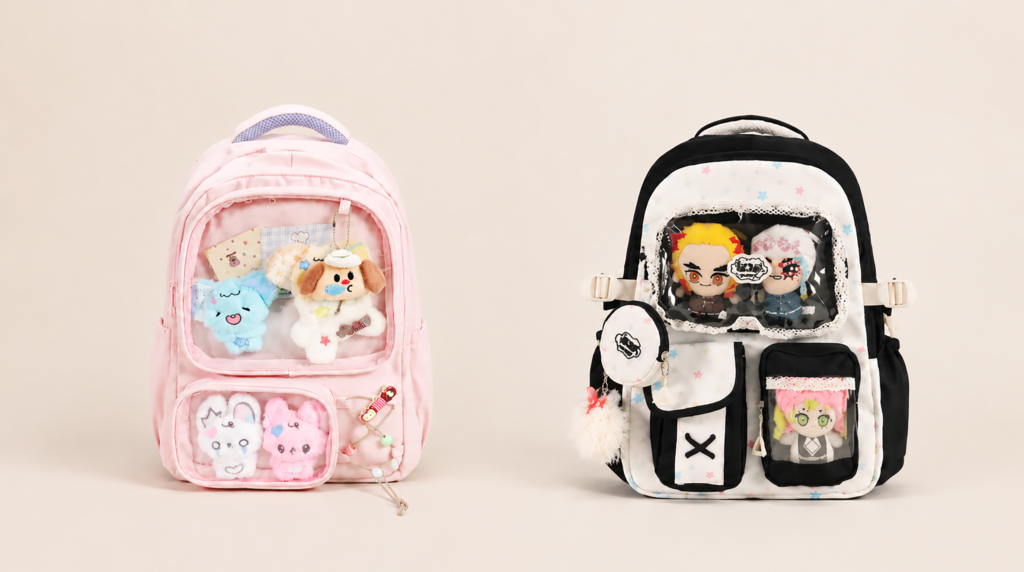
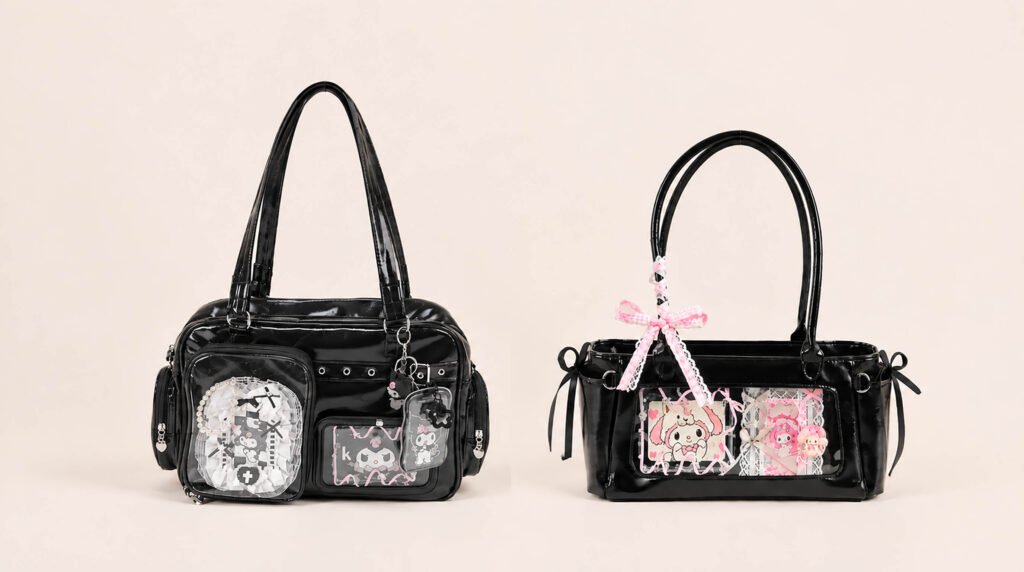
The ita bag (痛バッグ) is a decorative bag fitted with a transparent display window, designed to show off merch such as character badges, acrylic stands, and plush toys. Unlike an ordinary bag, an ita bag lets enthusiasts build a personalized themed display around a favorite character or game, turning a private collection into a portable, public way of expressing affection.Today, this culture has spread around the world, and its roots can be traced back to the collecting habits of early Japanese enthusiasts.
Where Did the Ita Bag Come From? Starting with Japan’s Otaku Culture
The cultural roots of the ita bag can be traced to the development of Japanese Otaku Culture. In the second half of the 20th century, Japan’s anime, manga, video game, and character merchandise industries gradually matured. As works such as Mobile Suit Gundam and Sailor Moon spread, anime characters were no longer merely figures within stories; they also became images with commercial value and cultural influence.At the same time, groups of enthusiasts with a deep interest in particular works, characters, or creators began to form their own collecting and social circles.In Japan, such groups gradually came to be known as Otaku.
The growth of Otaku culture was reflected not only in watching anime and reading manga, but also in collecting items related to characters and works.
From Itasha to Ita Bags
The ita bag culture did not appear out of nowhere; its direct spiritual source and path of technical evolution can be traced back to “Itasha culture.”
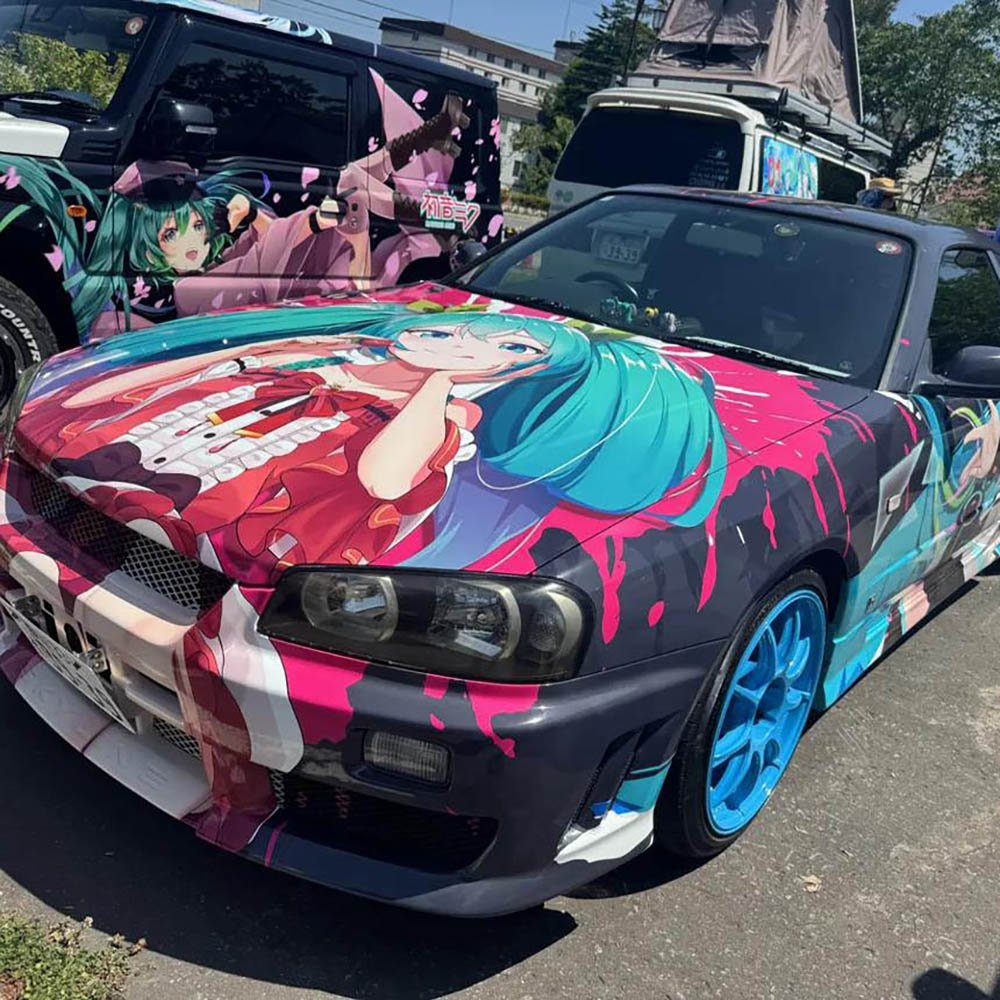
The origins of itasha: In the 1980s and 1990s, early Japanese anime enthusiasts, out of intense love for particular characters, began sticking anime character stickers onto the bodies of their own cars. As large-format printing technology became widespread, this decoration evolved into elaborate paintwork and decals covering most of the car body. Because exposing a private hobby so openly to public view seemed very “embarrassing” and “conspicuous” to mainstream society at the time, such cars were jokingly called cars that “hurt your heart/eyes to look at” — that is, itasha.
1. Anything Can Go “Ita”
In the 2000s, as the character ita, “painful” evolved into a subcultural prefix signifying the pursuit of maximum personal expression, the idea of combining merch with everyday objects spread rapidly into every field. From mobile phones, guitars, and laptops carried around daily, to backpacks later on, this idea of turning private treasures into everyday symbols paved the way for the birth of the ita bag. When fans began looking for the perfect vessel, one that could both protect their beloved merch and display it prominently ,the era of the ita bag quietly began.
2. Early Prototypes and First Forms of the Ita Bag
When attending doujin events, early anime enthusiasts often brought large numbers of Can Badges, keychains, and charms. However, hanging these precious collectibles directly on the outside of an ordinary bag easily caused wear, and items could fall off or even get lost. To resolve the tension between keeping their merch safe and displaying it prominently in public, fans began to put their DIY spirit to work.
1.Early DIY stage: Fans cut and sewed transparent plastic film onto plain cloth bags themselves, or modified folders with transparent pockets.
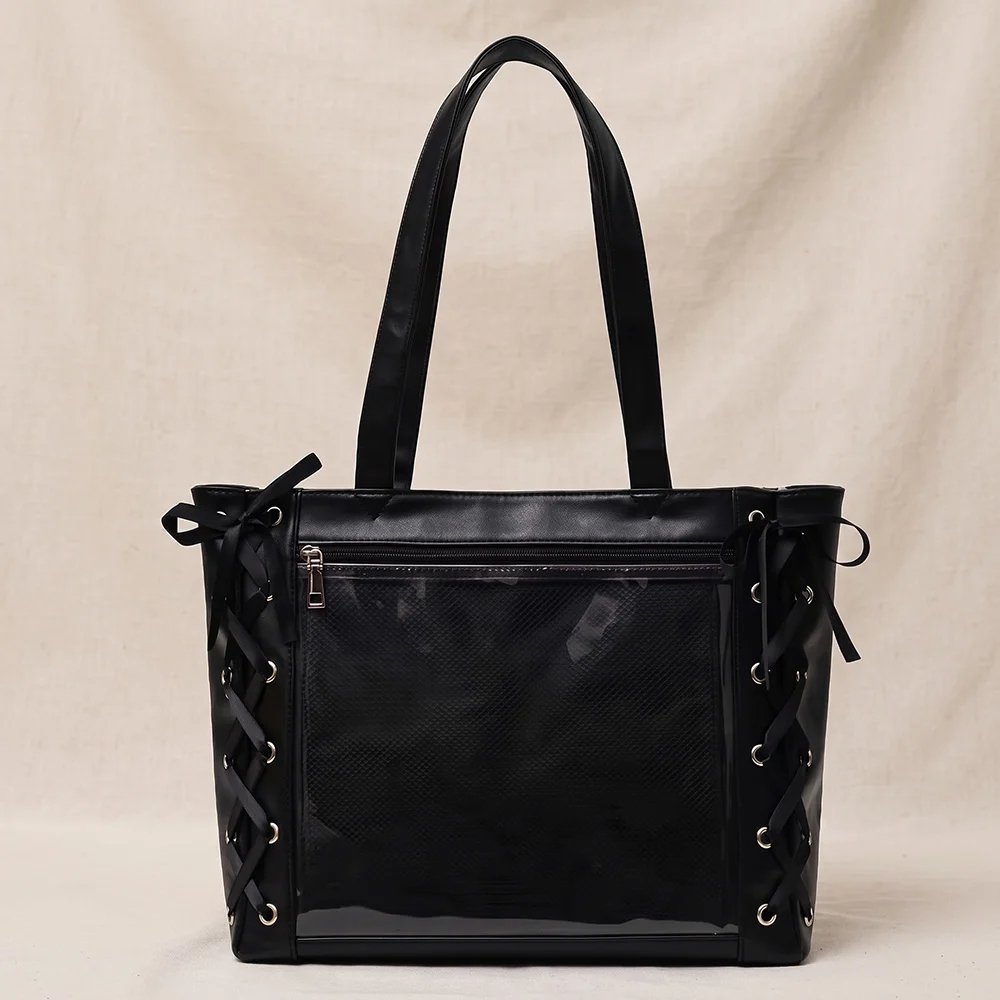
2.Commercial opportunity: As this demand exploded, Japan’s doujin events and general-goods market keenly spotted the business opportunity. Around the 2010s, backpacks and handbags specially designed with a transparent PVC Clear Window began to appear on the market — marking the formal birth of the ita bag in the modern sense.
Development and Breaking Out: From Japan’s Doujin Circles to the Mainstream
As Japanese anime, manga, and video game–related merch culture developed, the ita bag gradually grew from the personal decorating habit of a small number of fans into a subcultural phenomenon with a certain degree of recognizability.
1. Around 2015: Japanese Media Begins to Notice the Ita Bag Phenomenon
Around 2015, ita bags gradually drew the attention of Japanese television and other mass media.
The American media outlet Kotaku first ran a report on the ita bag phenomenon in Japan in April 2015, and updated the article in 2018 to describe how popular ita bags had become among Japanese female fans. The report noted that the ita bag had become a way for some female anime enthusiasts to express their love for a character, especially by using large numbers of badges, buttons, and character merch to show their support for a particular character. This report let readers outside Japan become more directly aware of ita bag culture, and also brought international media attention to a fan decoration practice that had originally been distinctly Japanese.
It is worth noting that the media attention around 2015 does not mean the ita bag was born that year; rather, it shows that this culture had developed to the point where it could spark discussion in the mass media.

2. 2016: Ita Bag Designs Gradually Develop Diverse Styles
As ita bags spread among Japanese fans, enthusiasts’ ways of decorating also became richer, no longer limited to simply covering a bag with badges.
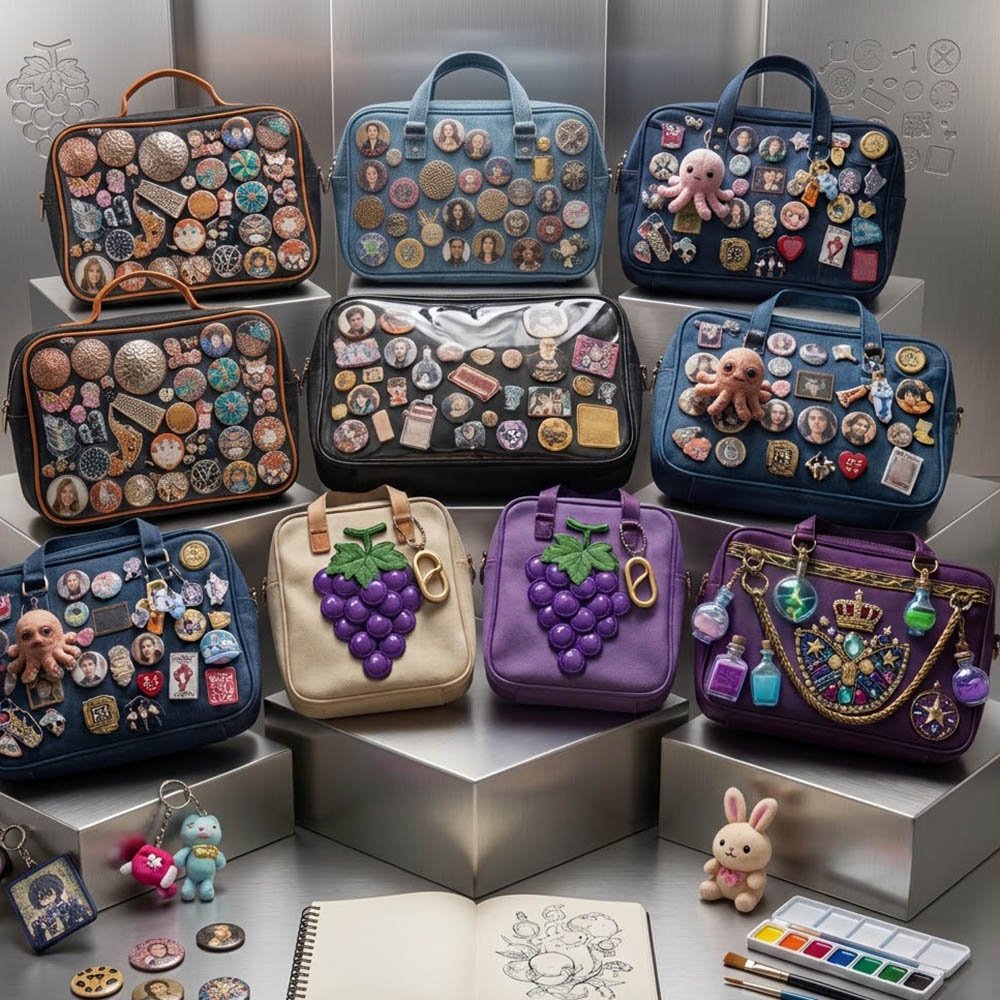
On January 11, 2016, SoraNews24, a Japanese culture news site, published a feature titled From the Grape Picker to the Alchemist: Anime-Decorated “Ita Bags” Now Come in Six Categories, which introduced six ita bag styles that were popular among Japanese fans at the time.The report noted that a chart of “ita bag types of female otaku,” shared by a Japanese netizen, received more than 27,000 reposts on social media. The six types are the Multiple Carrier, the Improviser, the Altar, the Runaway, the Grape Picker, and the Alchemist, reflecting different quantities of merch, arrangements, and decorating philosophies.This case shows that ita bag creation at the time already displayed clearly different styles. Enthusiasts were not only using bags to show off their favorite characters, but were also beginning to explore different design approaches such as badge arrangement, charm combinations, and lace and ribbon decoration.
The report documents how the ita bag developed from a personal display of a collection into a fan-culture phenomenon with multiple creative styles that could be exchanged and spread within online communities.
From DIY Decoration to Purpose-Built Products
As ita bags drew more attention, fans also placed clearer demands on the design of the bag itself.
Early ita bags were mainly made by modifying ordinary bags. Collectors had to find suitable places for display themselves, and think about how to fix the badges in place, how to arrange the merch, and how to keep items from shifting while being carried. But as the number of makers grew, transparent decorative bags better suited to displaying collections gradually appeared on the market.
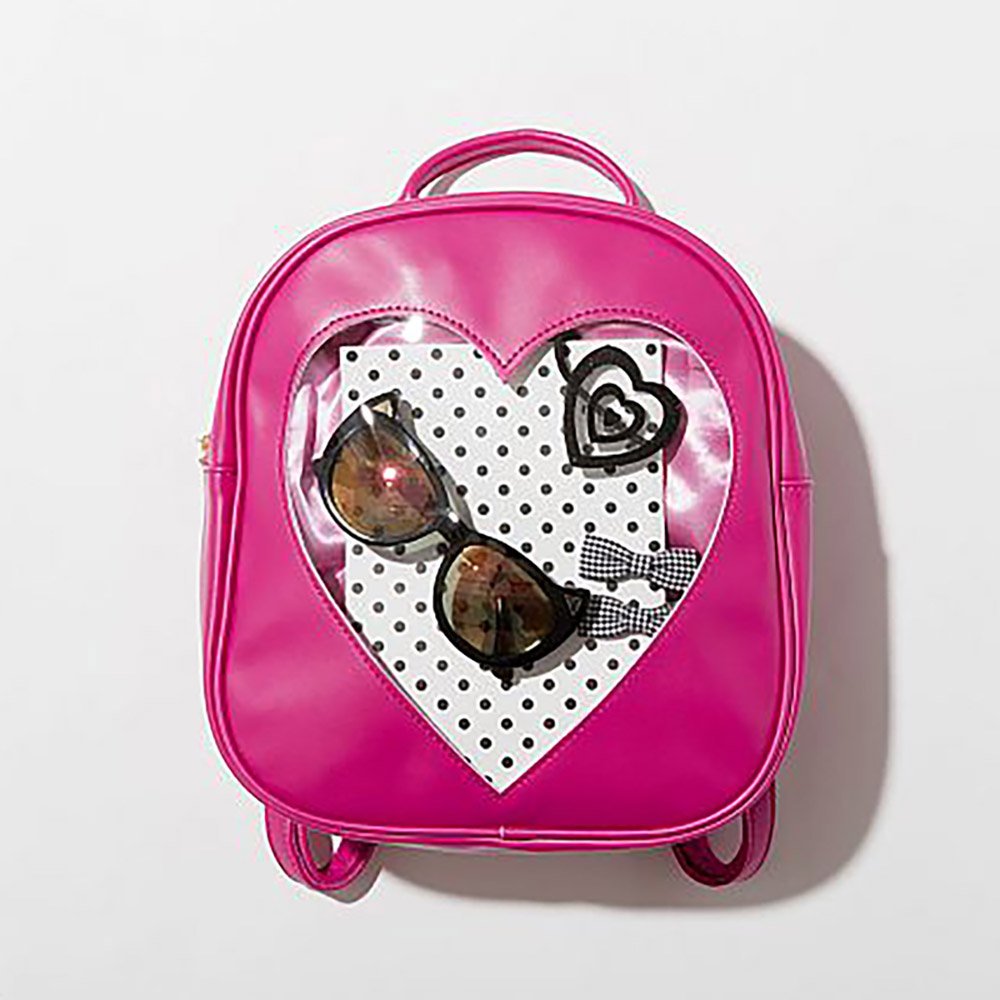
On July 11, 2016, Senken Shimbun, a Japanese fashion retail trade publication, published a report on WEGO’s decorative bag sales.The report mentioned that in February 2015, WEGO launched a series of decorative bags with transparent vinyl display areas. The products included backpacks, tote bags, mini shoulder bags, pouches, and phone cases, making up a line of about 15 products.These products were originally designed to let consumers freely place decorative items, but were later widely used by anime and manga enthusiasts to make ita bags.As consumers shared their experiences of using them on social media and online, the products gradually gained more attention.
Transparent display bags were no longer merely a stopgap that fans used when modifying ordinary bags, but had gradually become a product category with real market demand.At the same time, bag design also began to focus more on display function, for example enlarging the transparent display area, optimizing the interior space for decoration, and making it easier for collectors to arrange badges and other merch. The changes of this stage not only made ita bags easier to make, but also laid the foundation for more diverse designs later on.
The Ita Bag Culture Begins to Form a More Complete Creative System
In the early stage, the focus of many ita bags was on displaying a large number of badges, so that others could see at a glance which character the owner liked. But as creative experience accumulated, fans began to pay more attention to the overall effect rather than merely how many collectibles were displayed. During this period, as ita bags drew more attention, their design also grew from the early practice of simply decorating a bag with character badges and merch into richer forms of creation. Enthusiasts began to emphasize theme expression, color coordination, badge arrangement, and layers of decoration, and used different design elements to express their personal aesthetics and love for their characters.
1.Refined and Diversified Design
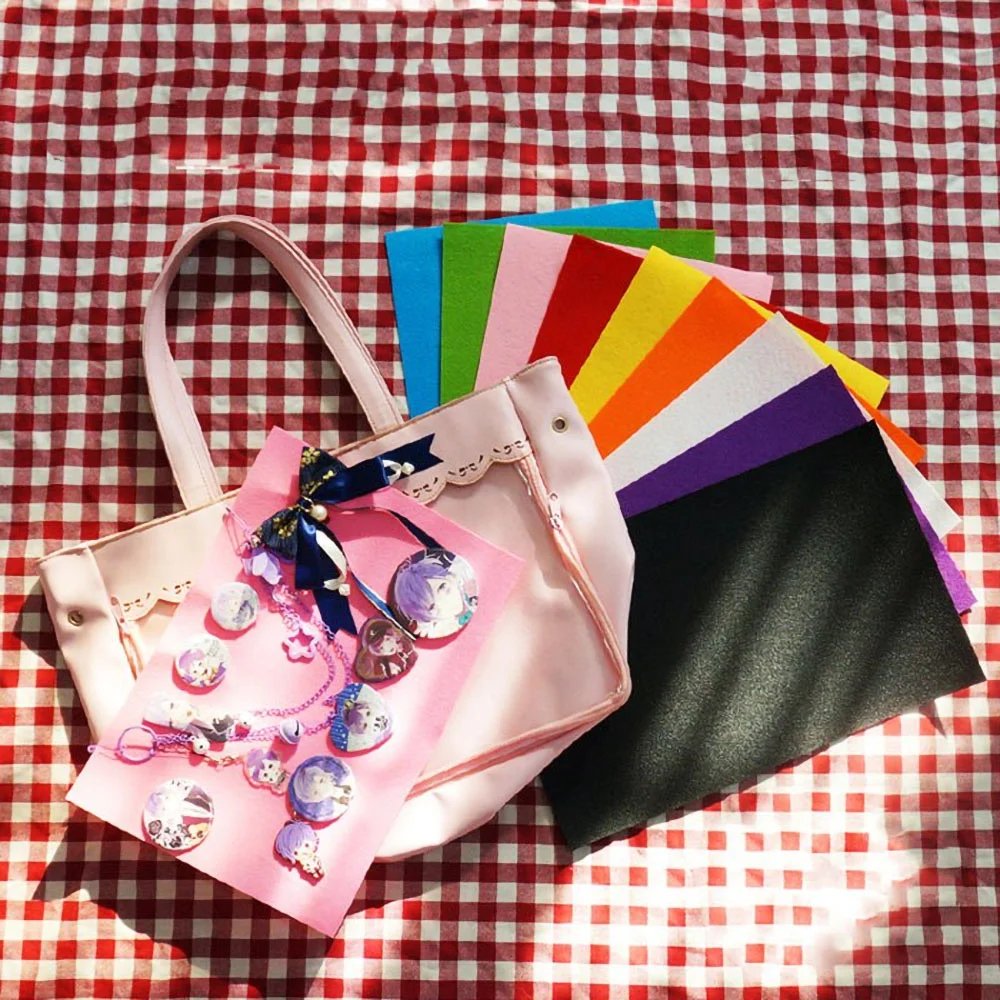
Ita bags are no longer just badges pinned onto cloth. Fans began to pursue the ultimate in visual aesthetics. Dedicated ita bag insert boards for fixing badges in place appeared inside bags, and the arrangement evolved from a casual starry sky scatter into orderly grid arrays and layered displays, combined with lace, ribbons, LED light strips, and fan made doll clothes to build three-dimensional scenes.
2.Expansion Across Fandoms
Ita bags rapidly broke out of the traditional anime and game communities — for example Ensemble Stars!, Touken Ranbu, various otome games, and the VTuber scene and extended into the wider field of pop culture, the most representative being the K-POP fan support community. Hallyu fans around the world began using ita bags to carry and display their idols’ photocards and official light sticks, making the ita bag a common language of fans that crosses communities.
Ita Bags Go International: The Maturing and Global Spread of Ita Bag Culture
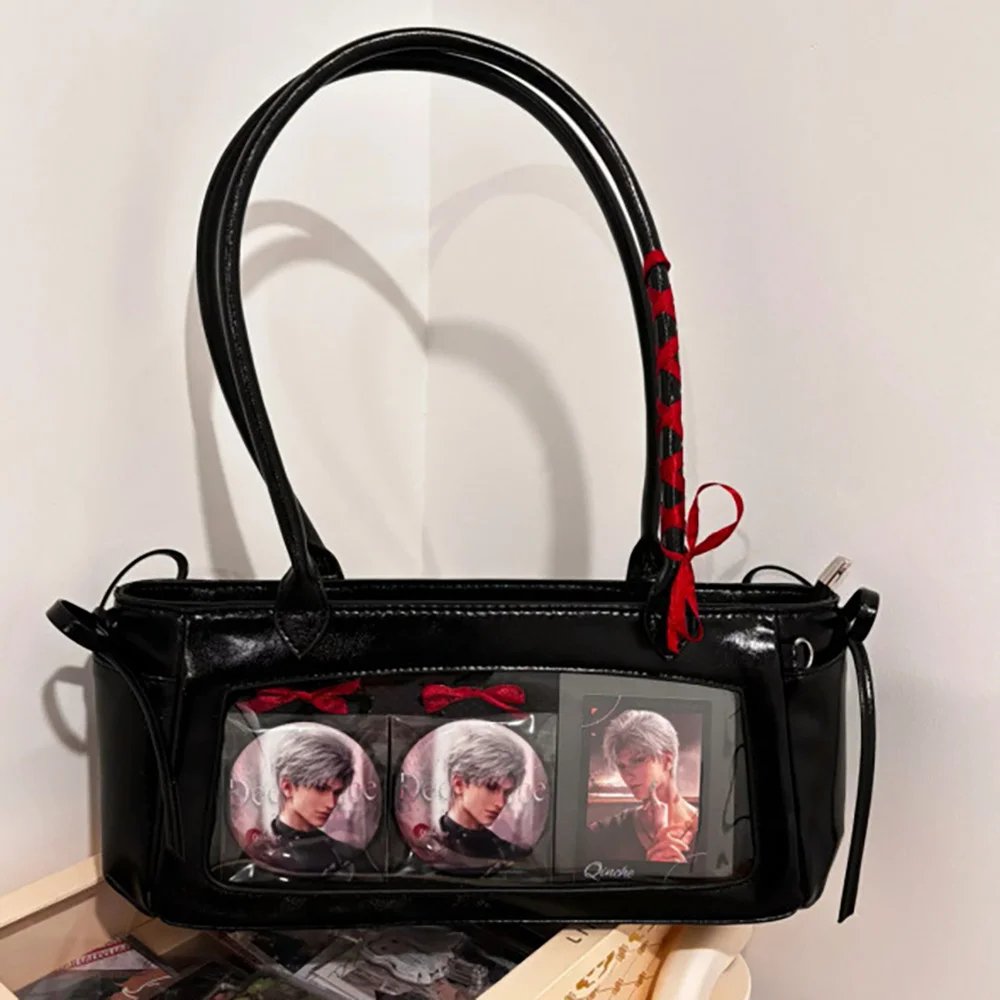
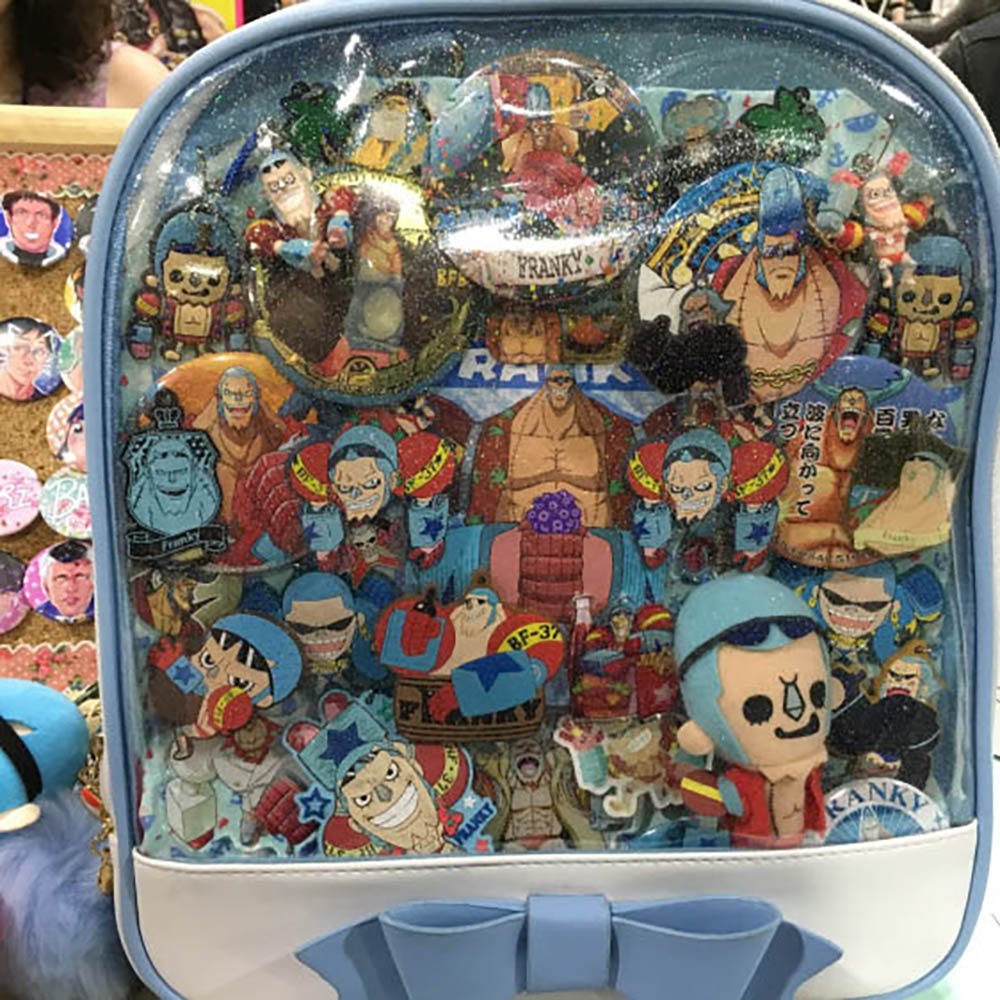
The international spread of ita bag culture did not originate from any single event or company; rather, as Japanese anime, manga, and video games spread around the world, it gradually entered fan communities in different regions.Social media accelerated the process further. Platforms such as Instagram, Tumblr, and Reddit let enthusiasts in different countries share photos of ita bags, making-of processes, and tips on badge arrangement and decorative styling. Designs by Japanese enthusiasts could be borrowed by collectors overseas, while enthusiasts in different regions would also re-create them according to their own tastes.
As exchanges increased, ita bag themes also expanded from Japanese anime characters to video games, animation, idols, and other pop culture collectibles.
1. International Media Coverage and Anime Events
As ita bag culture spread beyond Japan, it also began to appear at anime events and gatherings overseas. For example, a 2021 article about an American anime-culture experience recorded ita bags the author saw at NashiCon 2018: attendees used bags with transparent display areas, decorated with badges, plush toys, and other merch, to show off their favorite characters. This firsthand observation suggests that the ita bag has become one way for some American anime enthusiasts to express their personal tastes.
2. 2025: Korean Media Turns Its Attention to Fan Support Culture
On June 3, 2025, The Korea Times published a report on Japan’s Oshikatsu culture, describing how fans express support for the people or characters they love by buying merch, displaying badges, and carrying transparent display bags.
The report treats the ita bag as a way for fans to display their collections, express affection, and build connections through shared interests, and also reflects the link between ita bags and the broader culture of fan identity and fan support.
The Development of Modern Ita Bags: From Character Collecting to Diverse Expression
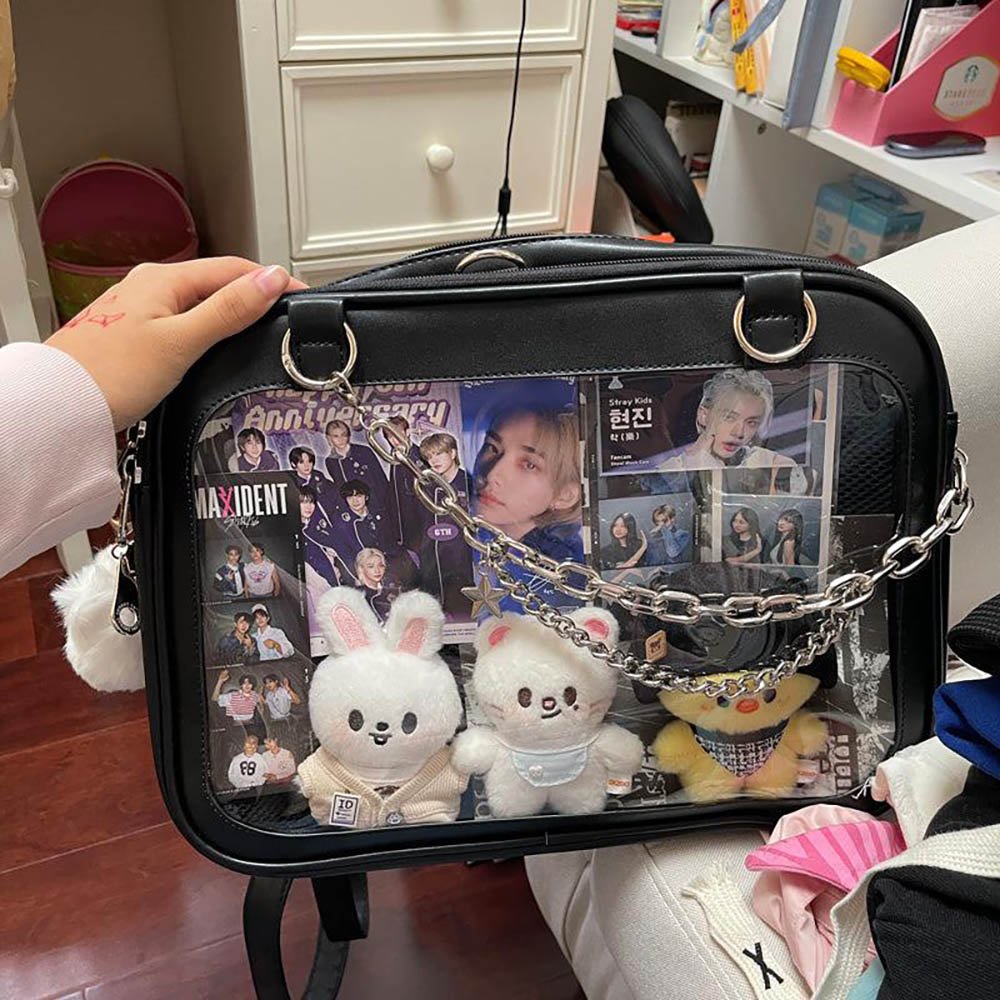
After more than a decade of development, the display contents and design styles of modern ita bags have become much richer. Besides traditional badges, they include acrylic stands, plush toys, character cards, photos, keychains, and decorative accessories such as ribbons and lace. These elements give ita bags more layers and ways of combining.
In design, enthusiasts are no longer limited to a single decorative form: some use large numbers of badges to create an eye-catching character-themed display, while others emphasize negative space, color, and material coordination in pursuit of a minimalist, refined effect.
Ita bag themes are likewise more diverse. They can revolve around characters from a particular anime or game, or combine collectibles from different works according to a specific color scheme, street style, or personal taste.
Today, the ita bag is no longer merely a bag for displaying character merch; it has gradually become a cultural form that blends collecting, handcrafting, visual design, and personal expression.
FAQ
Which country did Ita Bags originally come from?
Ita Bags originated in Japan and are closely connected to Japanese Otaku culture and anime merchandise collecting. Early enthusiasts decorated their bags with character badges, keychains, and other merchandise to express their love for their favorite characters and series. Over time, this gradually developed into a distinctive bag-decorating style.
What are the differences between early Ita Bags and modern Ita Bags?
Early Ita Bags were mainly created by decorating ordinary tote bags, backpacks, and other everyday bags with badges, pins, and keychains. Their layouts were relatively flexible and handmade. Today, Ita Bags feature more specialized designs, including transparent display windows, removable inserts, and dedicated storage compartments. These improvements make merchandise easier to organize while maintaining everyday practicality.
What are the current development trends in Ita Bag culture?
Modern Ita Bags are no longer limited to displaying large collections of identical badges. Instead, more attention is being paid to color coordination, themed designs, and personalized decorations. Transparent display bags, interchangeable inserts, acrylic standee holders, plush charms, and various decorative accessories give players more freedom to create different styles.
What does the future hold for Ita Bag culture?
In the future, Ita Bags may continue to combine fashion design, practical storage, and personalized customization. More diverse bag shapes, display window designs, modular decorative accessories, and styling options for different merchandise collections could create even more possibilities for Ita Bag enthusiasts
Get Inspired on Instagram
Looking for inspiration for your next ita bag? Follow us on Instagram for more ita bag decoration ideas, styling inspiration, and creative ways to showcase your favorite pins, charms, and collectibles. We regularly share different styling ideas to help you discover new ways to decorate and personalize your ita bag.